
Our Low Voltage & Commercial Electrical Services in Phoenix, AZ
Low voltage services refer to electrical systems that operate at a relatively low voltage, typically below 50 volts. These systems are essential for the operation, safety, and functionality of brick-and-mortar businesses. Here are some common low voltage services that can benefit such establishments:
Data Installation and Repair Services
Searching for data installation and repair services? We have got you covered! Our professionals are skilled in navigating through the most difficult of cabling nightmares.
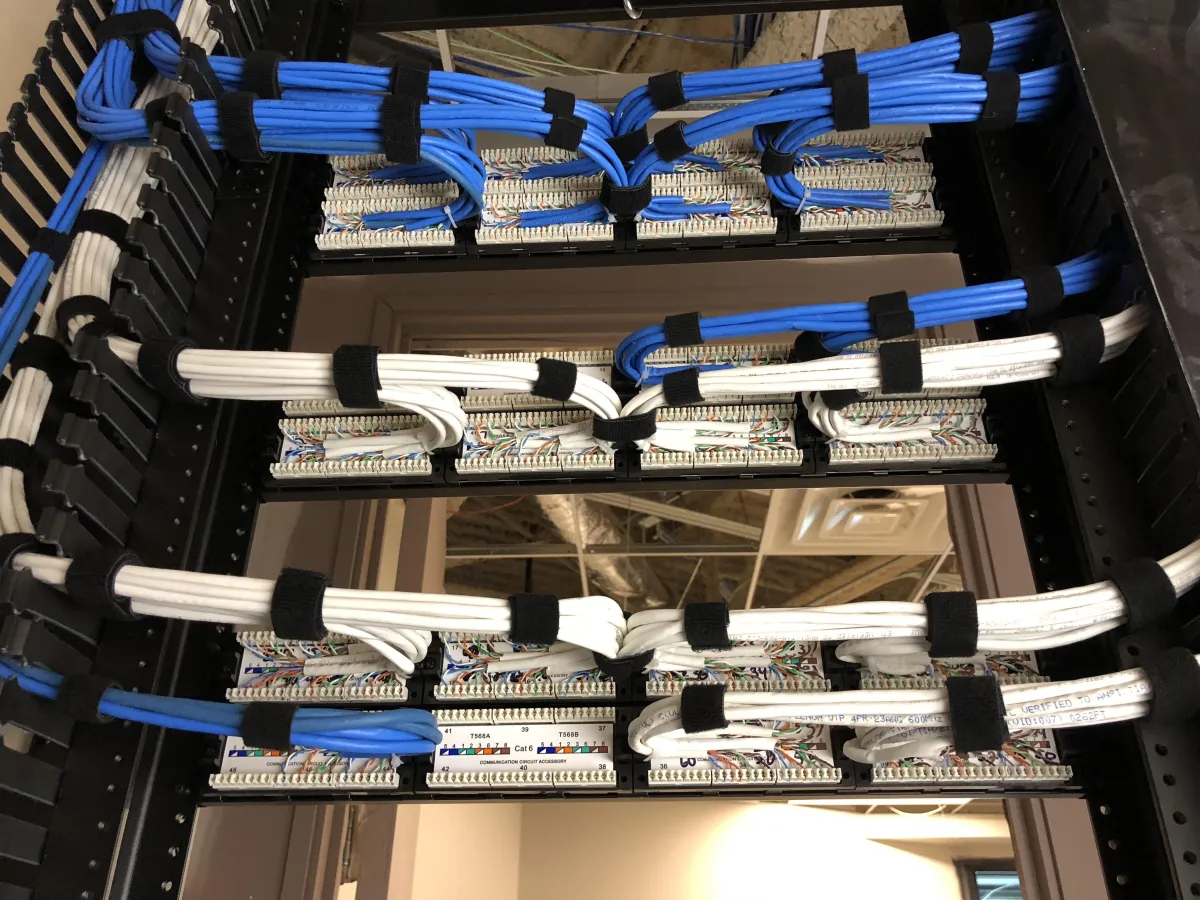
Infrastructure
There are various forms of infrastructure. DataTel's team has extensive backgrounds in POTS, data, telecom or wireless.
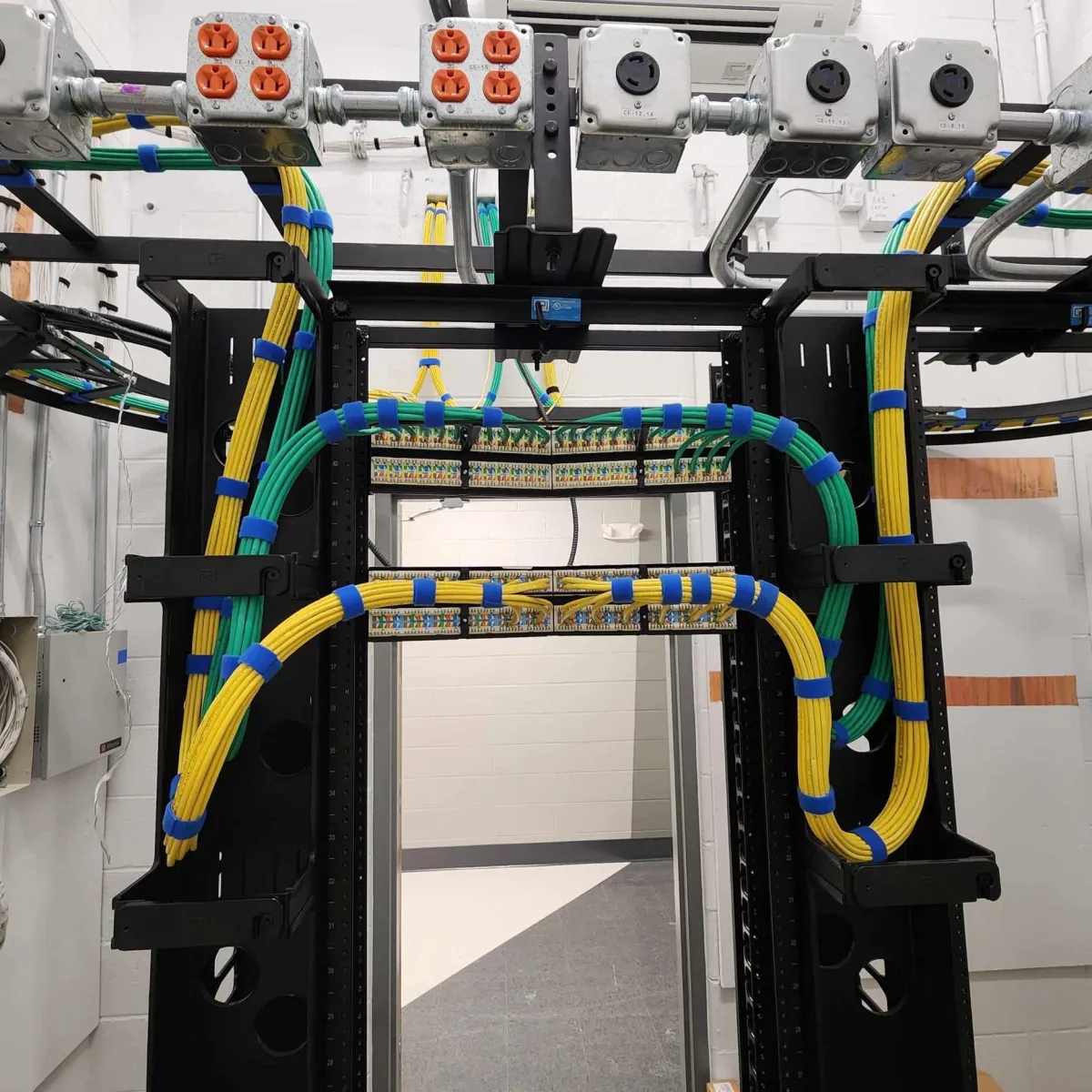
WAP's Installation
Wireless Access Points are essential in settings of every size. We will work with your IT department or directly with your building plans and heat maps to lay them out and install them.
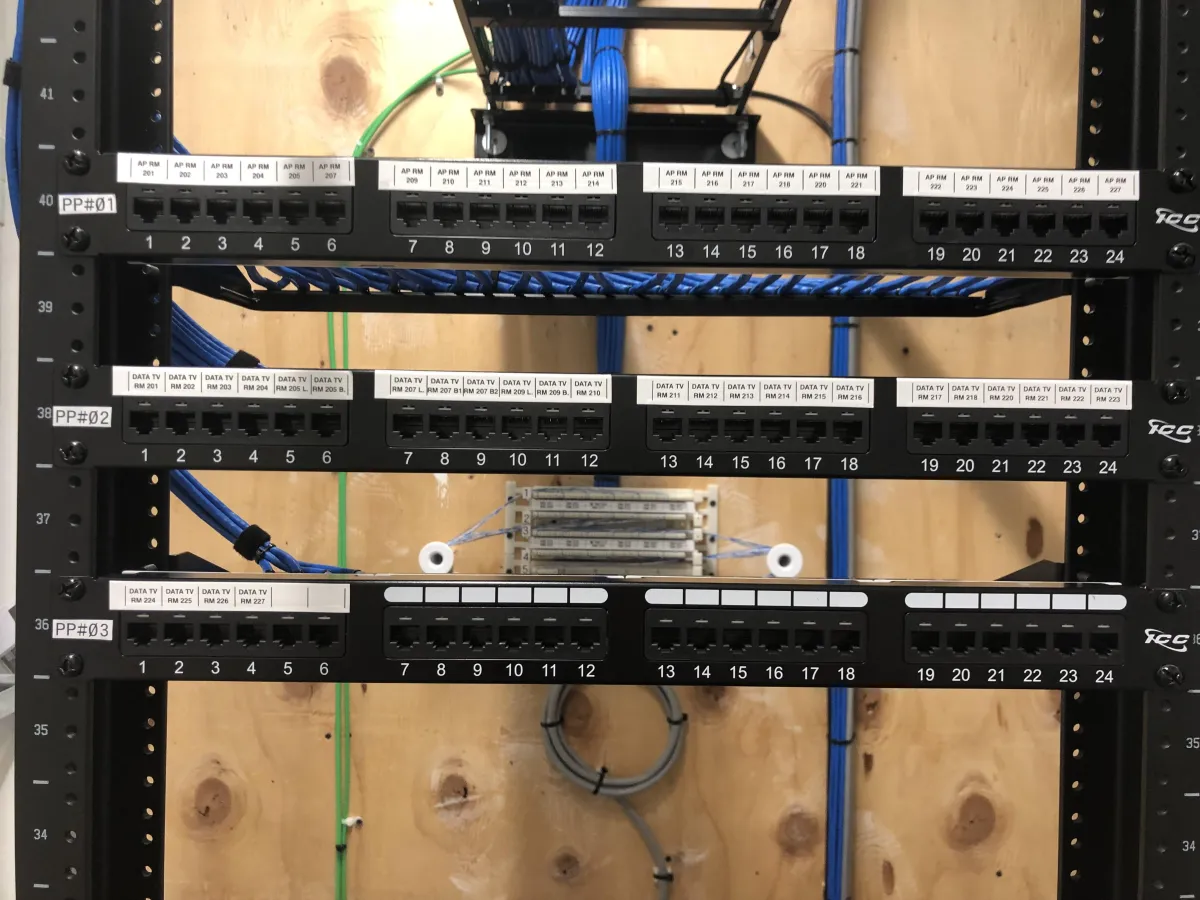
Data Cable Repair Services
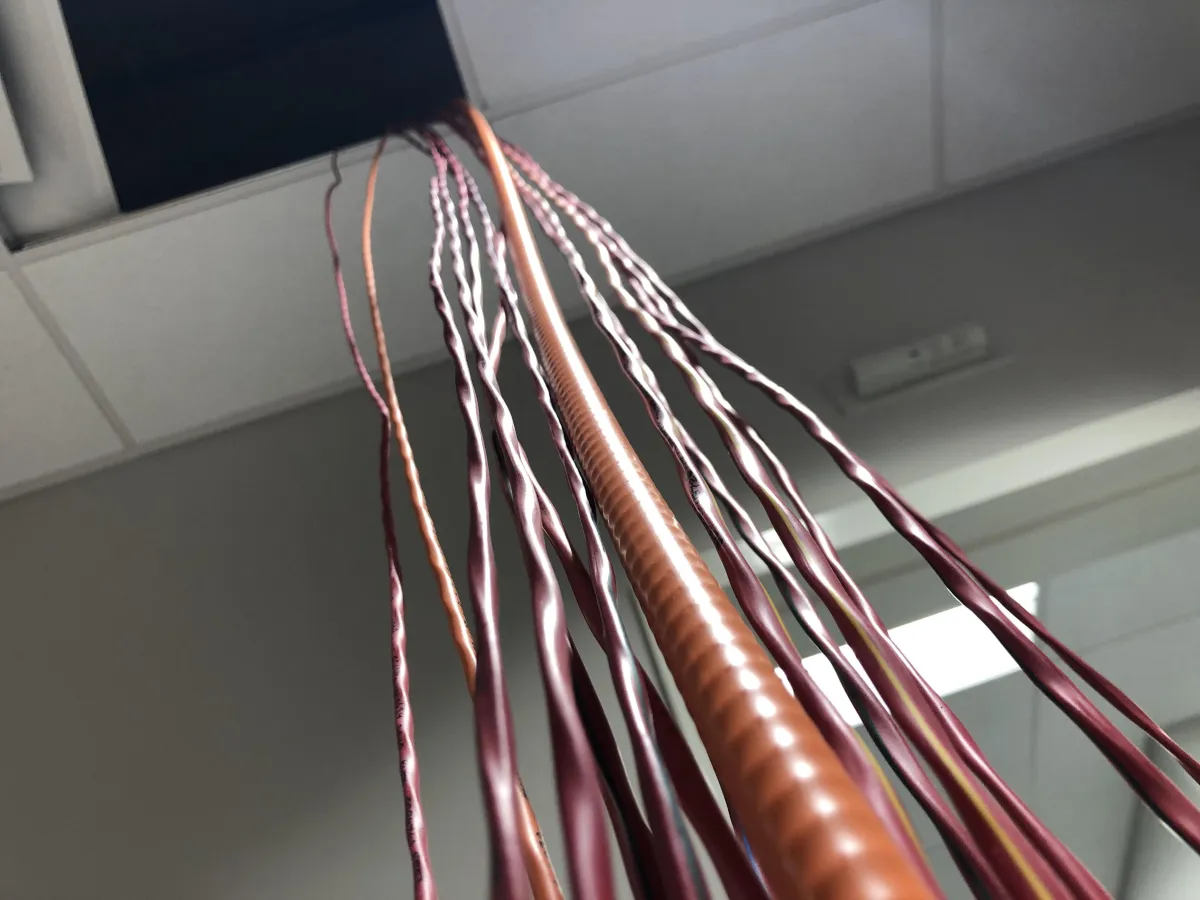
Has a rodent damaged your cabling? jack not working or has a switch gone down? Turn to us to get quality repair and replacement services.
FAQS
What should I do if I have an electrical emergency?
If you have an electrical emergency, such as a fire or shock, the first thing you should do is call 911. Once you are safe, you should contact an electrician to repair the problem.
What is the difference between a GFCI outlet and a standard outlet?
A GFCI outlet, or ground fault circuit interrupter, is a type of outlet that provides protection against electrical shock. GFCI outlets are required in wet areas, such as bathrooms and kitchens, because they can help to prevent electrocution if a person comes into contact with water while using an electrical appliance.Standard outlets do not provide the same level of protection as GFCI outlets. If you are using an electrical appliance in a wet area, it is important to use a GFCI outlet to protect yourself from electrical shock.
What are the different types of electrical wiring?
There are two main types of electrical wiring: solid and stranded. Solid wire is made up of a single piece of metal, while stranded wire is made up of multiple strands of metal twisted together. Solid wire is typically used for low-voltage applications, such as residential wiring, while stranded wire is typically used for high-voltage applications, such as commercial and industrial wiring.